
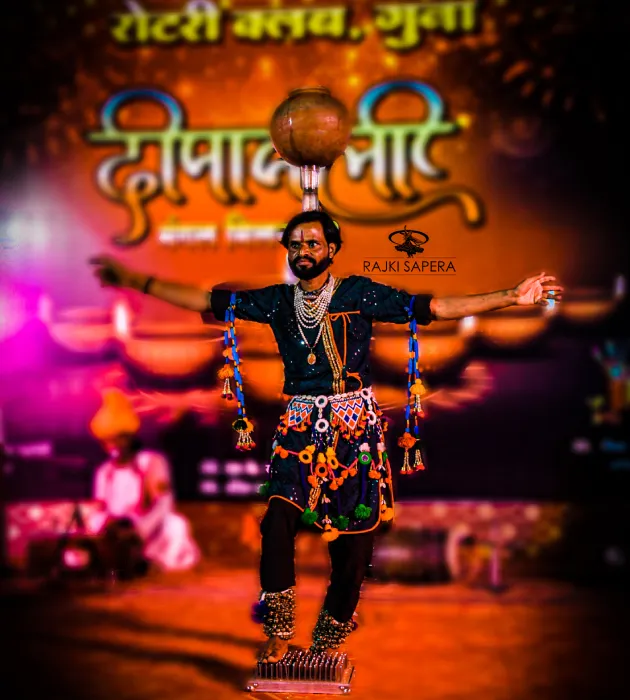
Gramin Bhavai Dance In India is one of the most courageous and visually mesmerizing folk traditions to emerge from Rajasthan’s rural culture. Rooted in village life, this dance transforms everyday experiences into extraordinary art, showcasing balance, bravery, and cultural pride that continue to inspire audiences across generations.
Origin and Rural Roots of This Folk Dance
The gramin bhavai of Rajasthan originated in villages where women routinely carried water pots across long distances. Over time, this daily routine evolved into a symbolic performance that celebrated endurance and grace. Today, the gramin bhavai folk dance stands as a reflection of rural resilience and traditional values.
Communities such as Jats, Bhils, Meenas, and Kalbelia snake charmers played a major role in shaping this art form. Their collective contribution helped establish the identity of the gramin bhavai Rajasthani dance as a symbol of strength and cultural unity.
Cultural Influence of Kalbelia Traditions
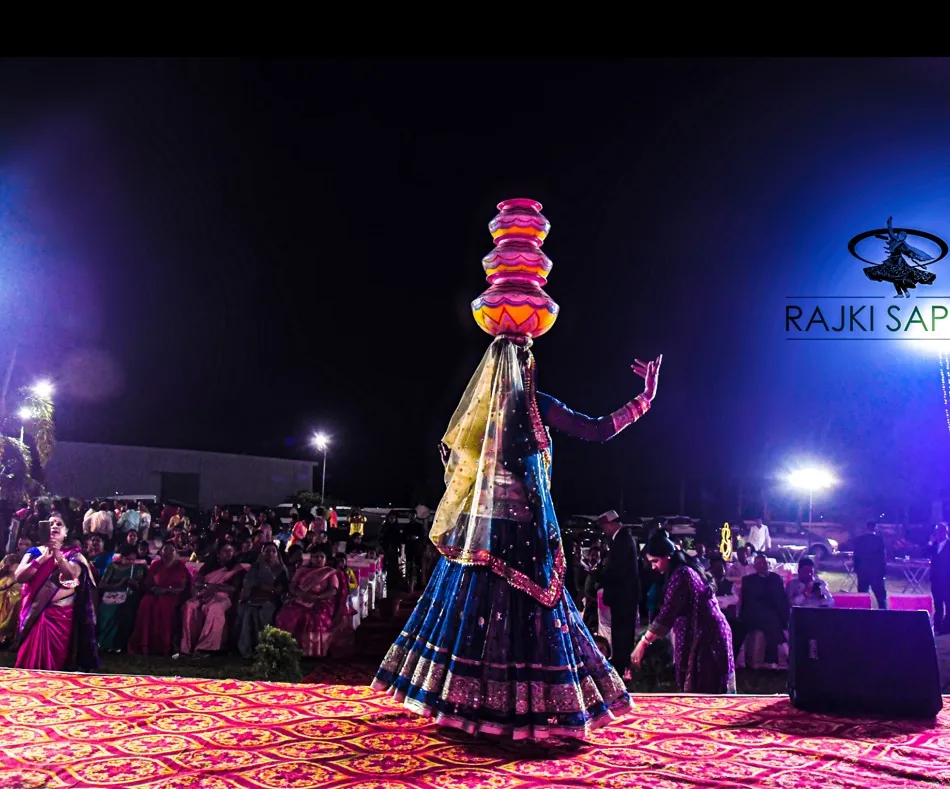
Kalbelia culture strongly influences the visual style of this dance. Black and dark red dominate the costumes, with women wearing lenghas, angrakhis, and odhanis. These traditional outfits enhance the beauty of movement and help distinguish the gramin bhavai folk dance group in Jaipur from other folk performances.
Rajki Sapera preserves these cultural elements to ensure authenticity in every presentation.
Unique Features That Define the Performance
Balance, Precision, and Fearless Movement
One of the most striking elements of this dance is its complexity. Gramin bhavai dancers balance seven to eleven earthen or brass pots on their heads while performing intricate steps. They often dance on sharp swords, broken glass, or narrow brass plates, making the performance both daring and graceful.
This exceptional skill is what makes a gramin bhavai troupe highly respected among folk art circles.
Traditional Music and Costumes
Live folk instruments create rhythmic energy that guides the dancers’ movements. The traditional attire adds elegance while enhancing the visual storytelling, making the gramin bhavai folk dancer group in India instantly recognizable on stage.
Growing Popularity Across Cities and Events
Performances in Jaipur and Beyond
Demand for gramin bhavai dance in Jaipur has grown significantly due to cultural festivals and heritage tourism. Event organizers often look for experienced gramin bhavai dancers near me to deliver authentic folk experiences.
Beyond Rajasthan, the reputation of the gramin bhavai dancer in India has expanded to national platforms and cultural showcases.
Perfect Folk Dance for Special Occasions
This dance adds cultural richness to a variety of celebrations. A gramin bhavai dancer for wedding brings elegance and tradition, while a gramin bhavai dancer for party adds vibrant energy and visual drama.
For formal settings, a gramin bhavai dancer for corporate occasions offers a refined yet powerful cultural performance that leaves a lasting impression.
Professional Groups and Event Performances
Cultural organizers often prefer trained gramin bhavai dancers for event who understand safety, synchronization, and storytelling. A well-coordinated gramin bhavai folk dance group in Jaipur ensures flawless execution while maintaining traditional values.
Rajki Sapera represents a trusted name among performers who are dedicated to preserving this folk heritage with respect and professionalism.
Symbolism and Cultural Meaning
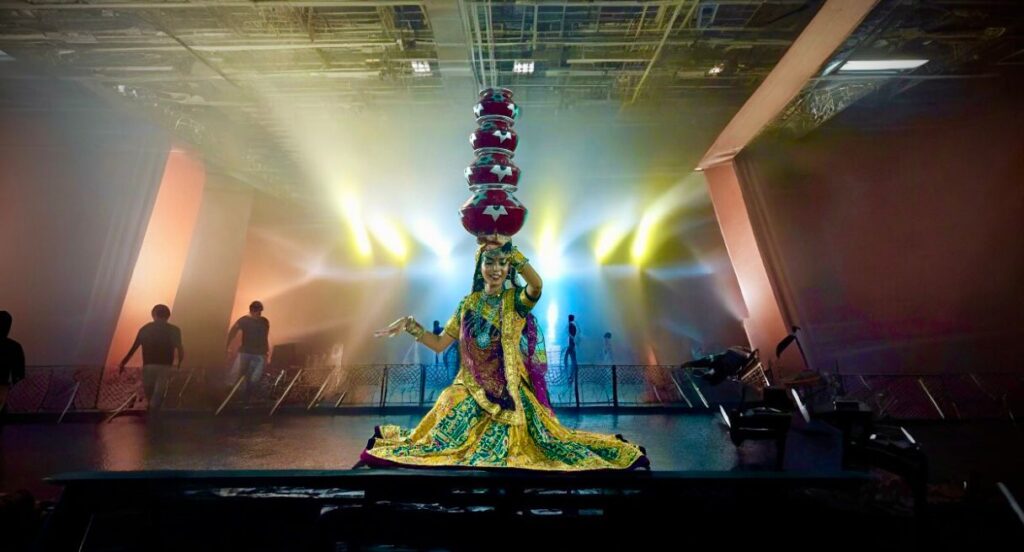
The pots balanced on the head symbolize responsibility and stability, while dancing over dangerous objects reflects life’s challenges. The calm expressions of the dancers represent emotional strength and inner balance—key values celebrated in rural Rajasthan.
This symbolism gives the gramin bhavai folk dance its deep emotional and cultural impact.
Why This Folk Dance Still Matters Today
As modernization grows, preserving folk traditions becomes essential. This dance not only entertains but educates audiences about rural life and women’s strength. Supporting such art forms helps keep India’s cultural identity alive.
Through authentic performances, Rajki Sapera continues to protect and promote this heritage.
Conclusion: Preserving a Living Folk Legacy
From village paths to grand stages, this powerful dance remains a tribute to courage, discipline, and tradition. The dedication of skilled gramin bhavai dancers ensures that this art form continues to thrive as a proud symbol of Rajasthan’s rural soul.
Frequently Asked Questions (FAQs)
FAQ 1: What makes this folk dance unique?
Its combination of graceful movement with risky elements like swords and glass makes it one of the most daring Rajasthani folk dances.
FAQ 2: Where is this dance commonly performed?
It is widely performed in Rajasthan, especially through professional gramin bhavai troupe presentations at festivals, weddings, and cultural events.
FAQ 3: Is this dance suitable for modern events?
Yes, it is popular for weddings, parties, and corporate functions, making it a versatile and culturally rich performance option.

