
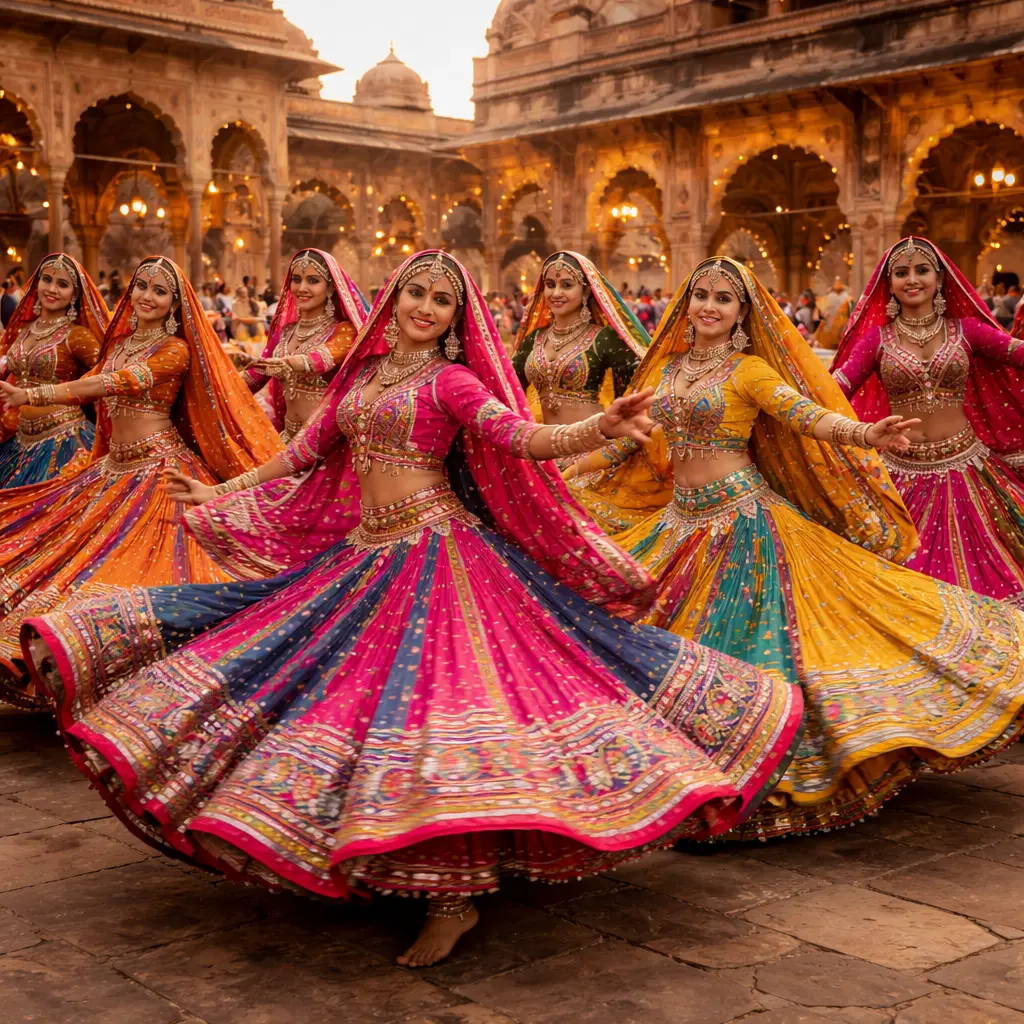
The Rajasthani Kalbelia Dance Group in India represents one of the most expressive and spiritually rich folk traditions of Rajasthan. Rooted in desert life, this vibrant art form blends rhythmic movement, hypnotic music, and centuries-old storytelling into a performance that feels both ancient and alive. Recognised globally for its cultural value, Kalbelia dance continues to enchant audiences across India and beyond.
Origin of Kalbelia Dance
Kalbelia dance originated from the Kalbelia community, traditionally known for their connection with snakes and folk healing practices. The movements of this dance imitate the graceful flow of serpents, symbolising harmony between humans and nature. Over time, the dance evolved into a stage performance while retaining its raw, tribal essence.
The dance is often performed during festivals, weddings, and cultural gatherings, reflecting joy, celebration, and devotion. Today, kalbeliya dance in India stands as a cultural identity rather than just a regional art form.
Cultural Significance and UNESCO Recognition
Kalbelia dance earned international recognition when it was inscribed on UNESCO’s Representative List of the Intangible Cultural Heritage of Humanity. This recognition highlights its importance as a living tradition passed orally through generations.
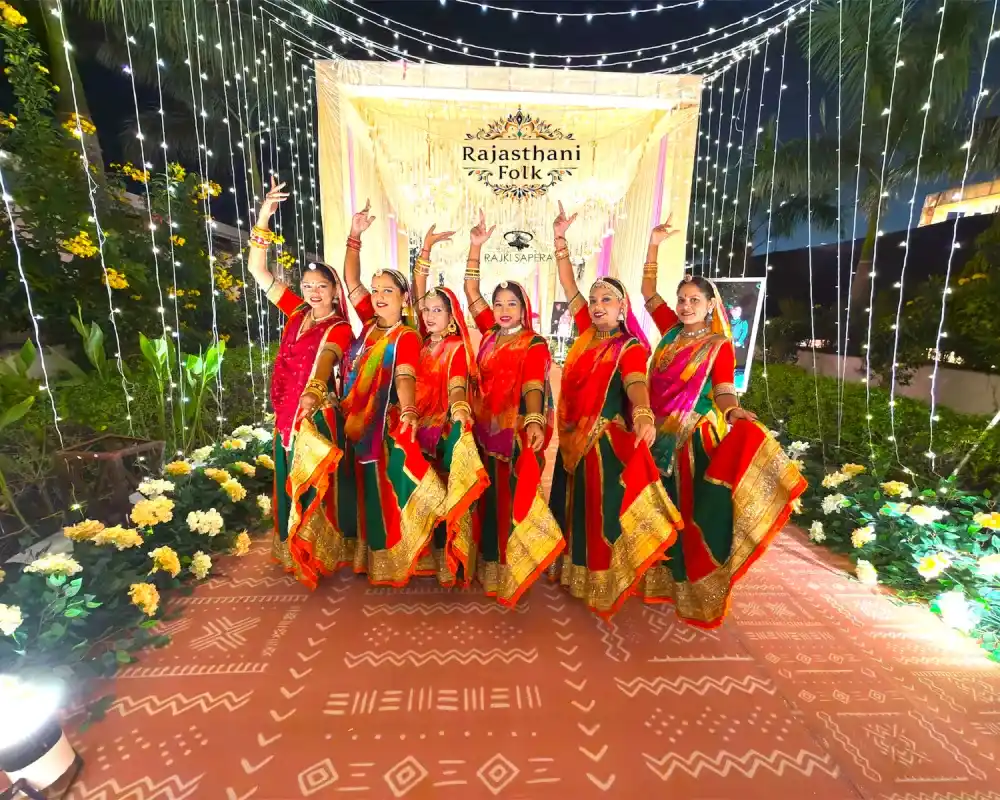
As a rajasthani kalbeliya folk dance group, performers carry stories of migration, survival, and spirituality through rhythm and motion. Each performance is not merely entertainment but a reflection of Rajasthan’s desert soul.
Music and Instruments That Define Kalbelia
Music plays a vital role in Kalbelia performances. Traditional instruments like the pungi, dholak, khanjari, and morchang create a hypnotic rhythm that guides every movement.
The melodies are often improvised, allowing kalbeliya dancer and artist performers to connect deeply with the music. This spontaneous interaction between sound and motion is what makes each performance unique and unforgettable.
Costumes and Visual Aesthetics
One of the most striking elements of Kalbelia dance is its costume. Female dancers wear black, swirling skirts decorated with intricate embroidery, mirrors, and silver jewellery. The black attire symbolises the desert night, while the vibrant embellishments reflect celebration and life.
The spinning movements of a kalbeliya rajasthani dance performance create mesmerising visual patterns, making it a favourite for stage shows and cultural festivals.
Evolution of Kalbelia Dance in India
While Kalbelia dance remains deeply traditional, it has also adapted to modern stages. Today, performances include choreographed sequences suitable for large events while preserving authentic movements.
Many kalbeliya dancers in India now perform at national festivals, international cultural exchanges, weddings, and corporate events, helping the dance reach newer audiences without losing its roots.
Role of Kalbelia Artists in Modern Performances
Modern audiences seek cultural authenticity, and Kalbelia artists deliver exactly that. Their performances bring a sense of heritage, energy, and storytelling that few art forms can match.
A professional kalbeliya dance group combines tradition with presentation, making it suitable for diverse platforms—from heritage festivals to luxury destination weddings.
Why Kalbelia Dance Remains Relevant Today
In a world driven by digital trends, Kalbelia dance stands as a reminder of India’s rich folk legacy. Its organic expressions, live music, and emotional depth create a powerful connection with audiences.
As a kalbeliya folk dance group in India, performers continue to keep this heritage alive by adapting to changing platforms while staying true to tradition.
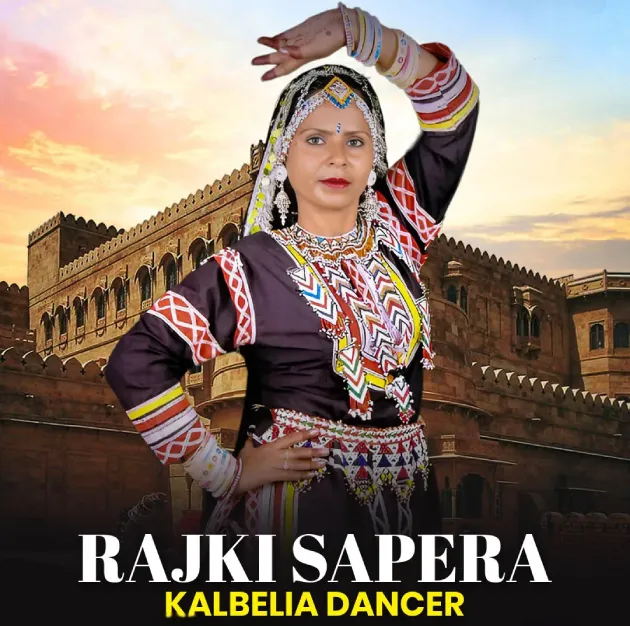
Rajki Sapera – Preserving Authentic Kalbelia
Rajki Sapera is dedicated to showcasing authentic Kalbelia performances rooted in tradition and cultural integrity. With experienced artists and visually captivating presentations, Rajki Sapera brings the spirit of Rajasthan to stages across India.
By supporting genuine folk artists, Rajki Sapera plays a key role in preserving and promoting Kalbelia dance for future generations. Their performances reflect passion, heritage, and professionalism.
Frequently Asked Questions (FAQs)
What is Kalbelia dance known for?
Kalbelia dance is known for its serpentine movements, live folk music, and vibrant costumes that symbolise Rajasthan’s desert culture.
Where is Kalbelia dance performed in India?
It is primarily performed in Rajasthan but is now showcased across India at cultural festivals, weddings, and international events.
Is Kalbelia dance recognised globally?
Yes, Kalbelia dance is recognised by UNESCO as an Intangible Cultural Heritage of Humanity.
Can Kalbelia dance be performed at private events?
Yes, professional groups offer performances for weddings, corporate events, and cultural programs.
How does Rajki Sapera contribute to Kalbelia dance?
Rajki Sapera promotes authentic performances while supporting traditional artists and preserving cultural heritage.

