
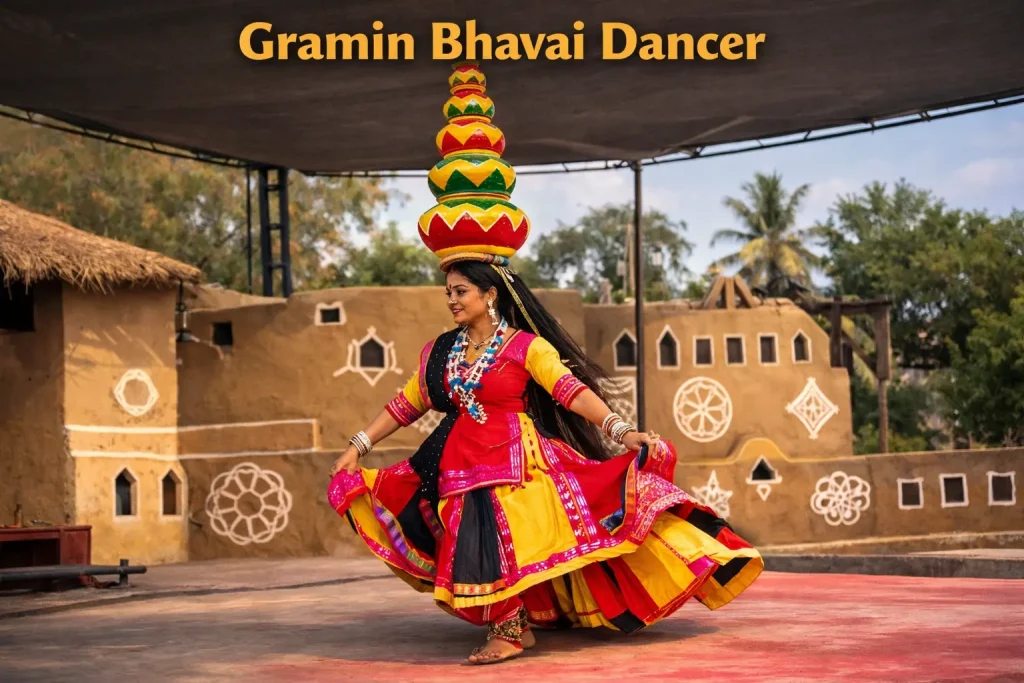
Gramin bhavai dance in India is a powerful expression of Rajasthan’s rural spirit, combining breathtaking balance, rhythmic movement, and deep cultural symbolism. Performed primarily by women, this folk dance is known for its daring acrobatics, where dancers balance multiple earthen pots while executing graceful steps. Rooted in village life and devotional traditions, Bhavai continues to captivate audiences across India with its raw authenticity and artistic strength.
Origins of Gramin Bhavai Dance
The roots of Bhavai lie in Rajasthan’s desert villages, where women expressed devotion, endurance, and joy through movement. Historically, the dance was performed during religious ceremonies and village festivals. Over time, gramin bhavai dance evolved into a structured folk performance while maintaining its spiritual essence.
This dance reflects rural resilience and discipline, passed down orally from generation to generation without written notation or formal institutions.
Cultural Meaning Behind the Performance
Bhavai is more than a dance—it is a living symbol of harmony between body, mind, and tradition. The balancing of pots represents life’s responsibilities and the strength of women in rural society. In many regions, gramin bhavai folk dance is performed as an offering during sacred occasions.
Each movement carries meaning, reflecting devotion, stability, and cultural pride rooted in everyday village life.
Acrobatics and Skill in Bhavai Dance
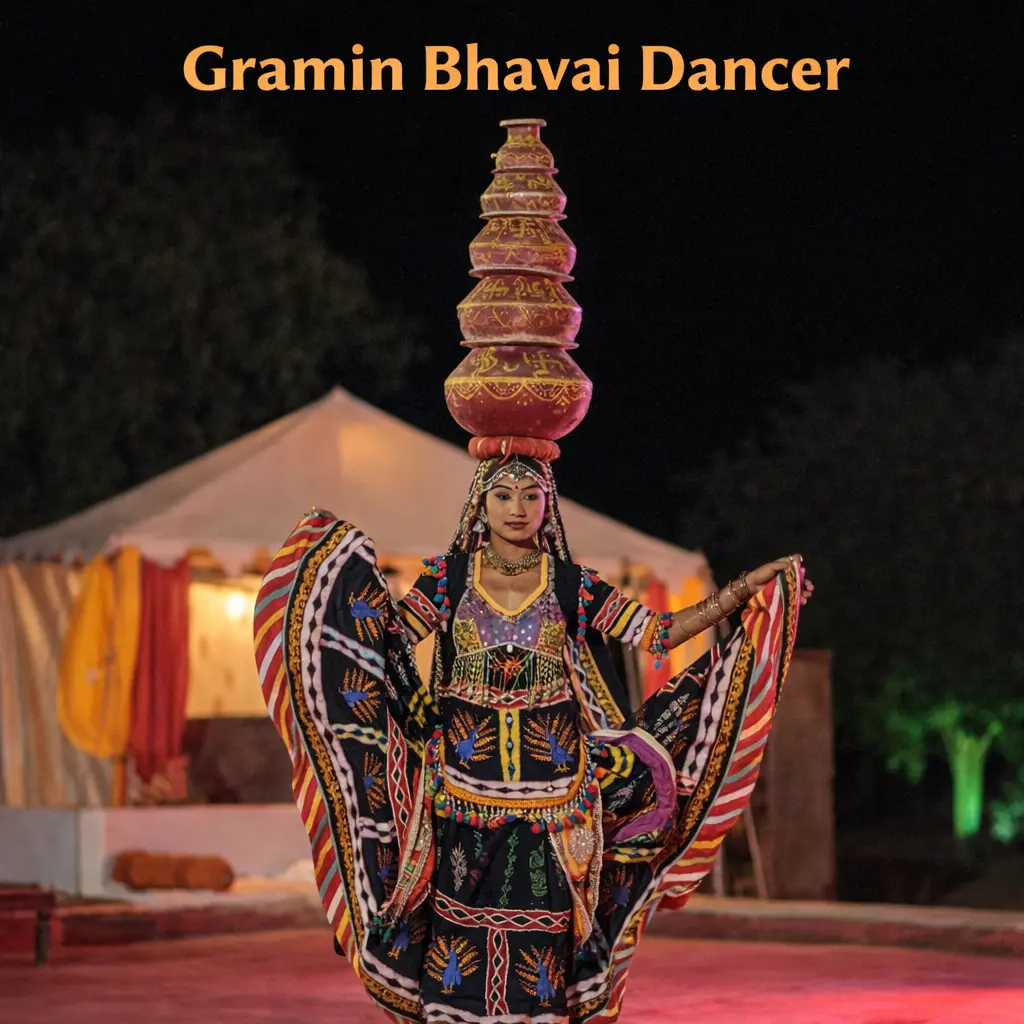
What sets Bhavai apart is its incredible acrobatic discipline. Dancers perform spins, bends, and rhythmic steps while balancing pots on their heads—sometimes up to eight or more. A trained gramin bhavai dancer in India must develop years of balance control, posture mastery, and physical endurance.
These acrobatic elements transform Bhavai into a visually striking performance admired across cultural stages.
Traditional Music and Rhythm
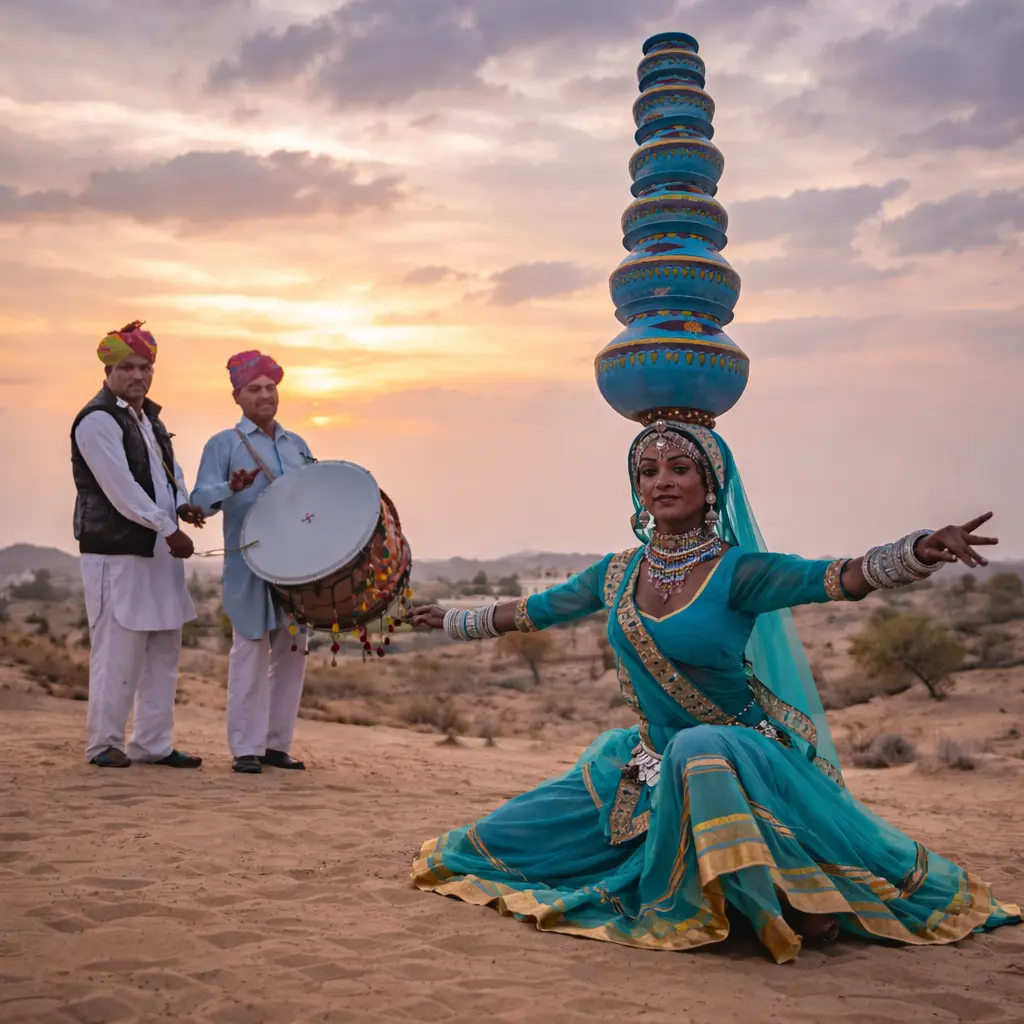
Music plays a vital role in Bhavai performances. Folk instruments like dholak, manjira, and harmonium create a steady rhythm that supports the dancers’ movements. The tempo gradually builds, allowing the gramin bhavai dancers to showcase increasingly complex formations.
Live folk singing enhances the emotional depth, making the performance immersive and spiritually uplifting.
Costumes and Visual Identity
Bhavai dancers wear vibrant ghagras with traditional embroidery, paired with odhnis and heavy silver jewellery. The visual charm of gramin bhavai Rajasthani dance lies in the contrast between colorful attire and the earthy tones of the pots.
The visual balance between costume, movement, and rhythm creates a striking cultural aesthetic that audiences instantly recognise.
Bhavai Dance in Modern Celebrations
Today, Bhavai has found its place beyond rural festivals. Cultural programs, destination weddings, and heritage events often feature professional gramin bhavai folk dance group in India performances to bring authenticity and grandeur.
Event planners frequently seek gramin bhavai dancers for event showcases due to their visual impact and cultural elegance.
Regional Identity of Bhavai in Rajasthan
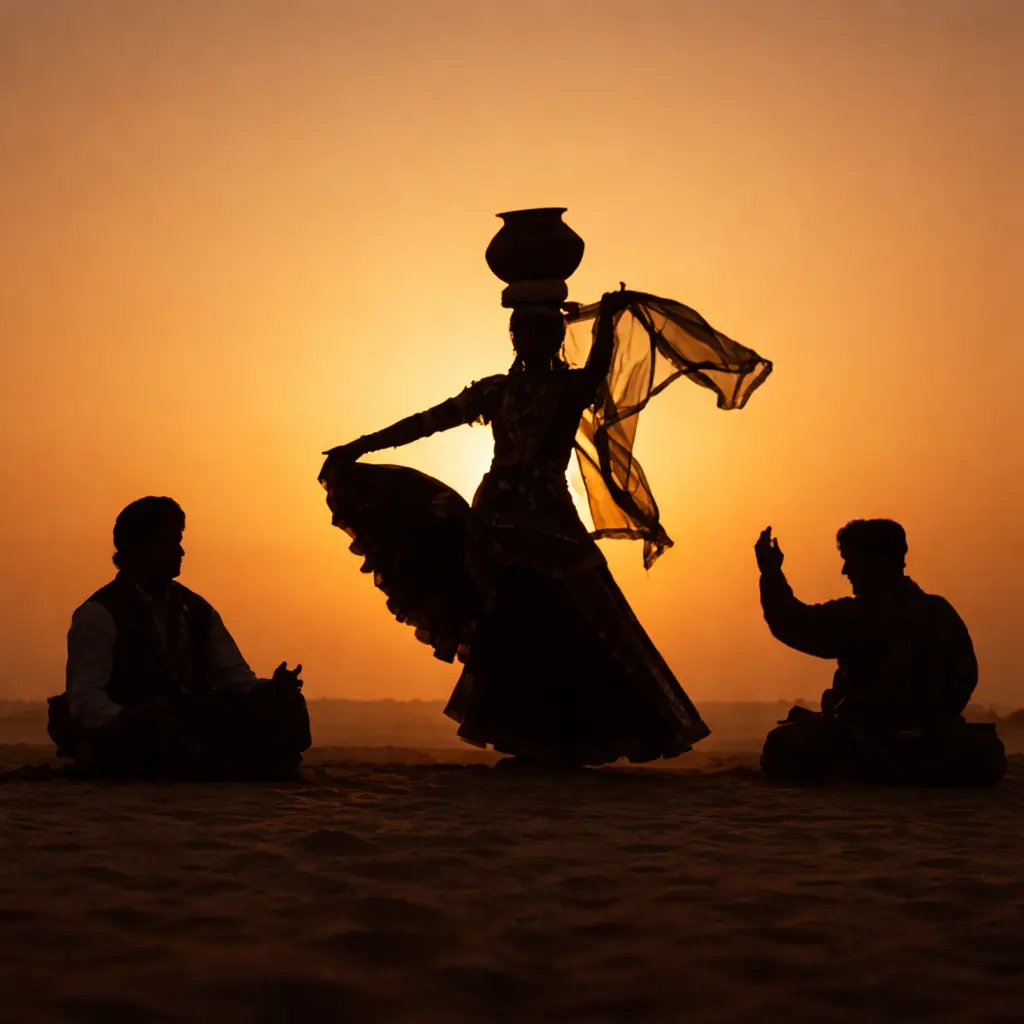
Bhavai is closely associated with Rajasthan’s desert culture. Known as the gramin bhavai of Rajasthan, this dance reflects the lifestyle, faith, and artistry of rural communities.
Different regions add subtle variations, but the core elements—balance, devotion, and rhythm—remain unchanged across generations.
Preserving Folk Heritage with Rajki Sapera
Rajki Sapera is dedicated to preserving and promoting authentic folk traditions through professional cultural performances. By supporting trained artists and traditional formats, Rajki Sapera ensures Bhavai remains rooted in its original form while reaching modern audiences.
Through festivals, weddings, and cultural programs, Rajki Sapera contributes to keeping India’s folk legacy alive and respected.
Why Bhavai Dance Still Inspires Audiences
In an era of fast-paced entertainment, Bhavai stands out for its discipline and cultural depth. Whether it’s a gramin bhavai dancer for wedding, a private celebration, or a cultural showcase, the performance leaves a lasting impression.
The dance’s timeless appeal lies in its ability to connect tradition with human strength and grace.
Frequently Asked Questions (FAQs)
What is Bhavai dance known for?
Bhavai dance is known for balancing multiple earthen pots while performing graceful folk movements.
Where is Bhavai dance traditionally performed?
It is traditionally performed in Rajasthan’s rural regions during festivals and devotional events.
Can Bhavai dancers perform at private events?
Yes, professional performers are available for weddings, parties, and corporate occasions.
How long does it take to learn Bhavai dance?
Training usually takes several years to master balance, rhythm, and posture.
Who preserves authentic Bhavai performances today?
Cultural groups and artists supported by organisations like Rajki Sapera help preserve the tradition.

